The Short Answer
Faulkner HR Solutions conducts independent workplace investigations for Texas employers, including harassment, discrimination, retaliation, and misconduct complaints. Investigations follow a documented, impartial process and end with clear findings a decision maker can act on. Employers use us when internal staff are too close to the issue or lack investigation experience.
Why Employers Bring In an Outside Investigator
Most workplace investigations fail before they start. The person assigned is the complainant's supervisor, the owner's assistant, or an HR coordinator who has never run an investigation. The process is improvised, the interviews are undocumented, and the conclusion looks predetermined whether it was or not.
An outside investigator solves the two problems internal investigations cannot: impartiality and experience. When the accused is a manager, an executive, a board member, or a family member of the owner, no internal option is truly neutral. And when the matter could end in a termination, a TWC claim, or an EEOC charge, the quality of the investigation record decides how defensible that outcome is.
What We Investigate
Harassment and discrimination complaints. Retaliation claims. Policy violations and misconduct. Conflict between employees or between an employee and a supervisor. Complaints against leadership, elected-official interference in personnel matters, and sensitive nonprofit situations involving boards, donors, or volunteers.
For municipalities and public entities, we understand the additional layer: public records exposure, executive session rules, civil service considerations, and the political environment around personnel decisions. For nonprofits, we understand board dynamics and funder scrutiny. For small businesses, we understand that the accused may sit ten feet from the complainant.
How the Investigation Works
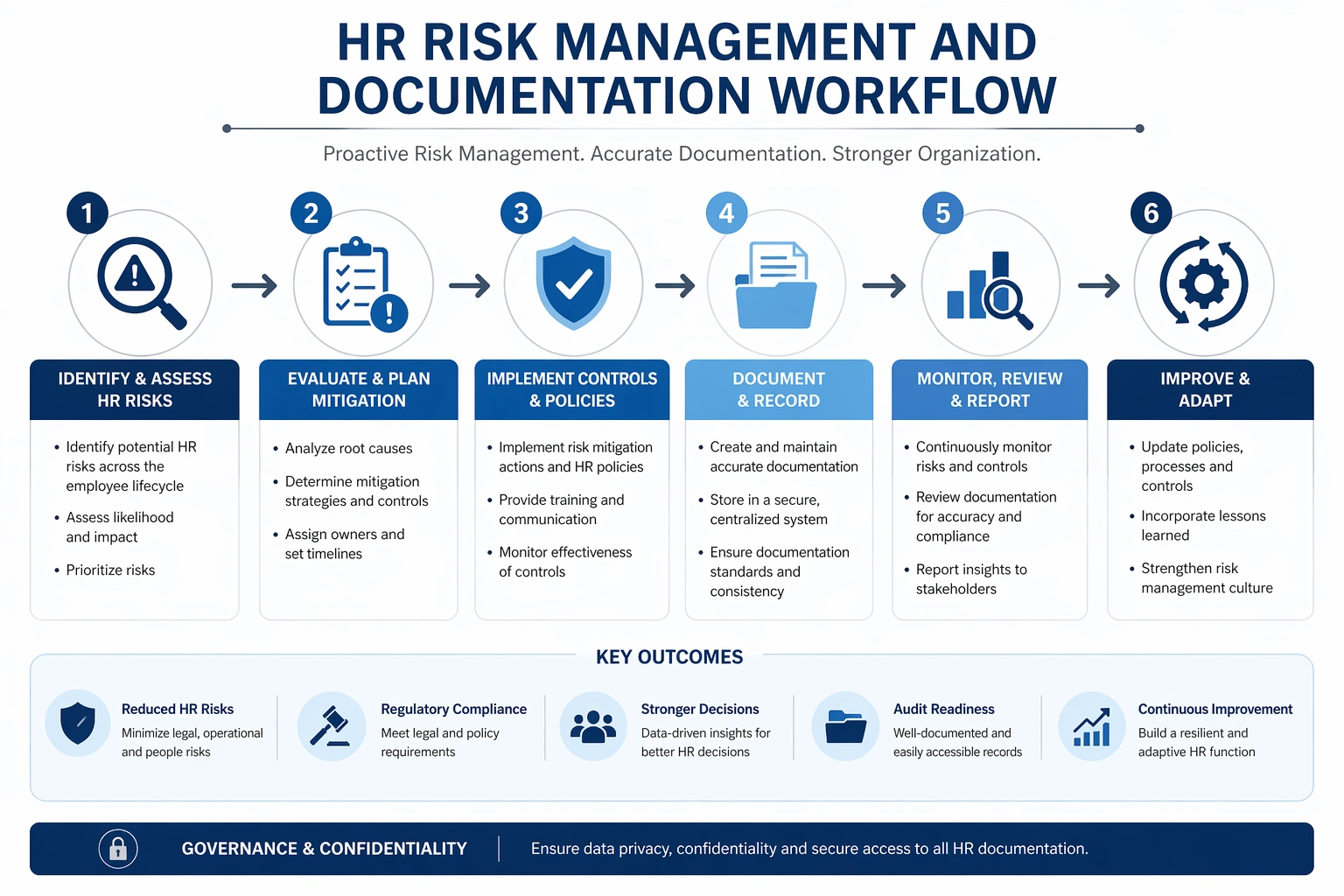
The process is structured from intake to report. We define scope with you up front: the allegations, the policies at issue, and the decision the investigation must support. We review documents, interview the complainant, the respondent, and relevant witnesses, and document every step.
You receive a written report with findings of fact, credibility assessments where needed, and conclusions tied to your policies. We do not make the discipline decision for you. We give you a record that lets you make it with confidence, and we can advise on next steps under a separate engagement if you want that support.
What a Defensible Investigation Protects
A properly run investigation is often the difference between a complaint that resolves and a claim that escalates. Agencies and courts look at whether the employer took the complaint seriously, acted promptly, followed a consistent process, and reached a reasoned conclusion. A thin or biased investigation record works against you on every one of those questions.
There is also an internal audience. Employees watch what happens when someone complains. A credible process builds trust and encourages early reporting. A dismissive one teaches people to go straight to a lawyer.
Good Fit / Poor Fit
This is a good fit if:
- A complaint involves a manager, executive, owner, board member, or family member
- The outcome could lead to termination, a claim, or public scrutiny
- Nobody on staff has real investigation training or capacity
- You need findings that will hold up with the TWC, EEOC, or a jury
- A prior internal attempt went sideways and you need it done right
This is a poor fit if:
- You have a trained, genuinely neutral internal investigator and a routine matter
- You want a predetermined conclusion documented. We do not do that
- You need legal representation. We work alongside employment counsel, we do not replace them
Frequently Asked Questions
How much does a workplace investigation cost in Texas?
Cost depends on the number of allegations, witnesses, and locations. We quote a fixed fee or a capped hourly estimate after a short scoping call, before any work begins, so you know the investment up front.
How long does a workplace investigation take?
Most single-complaint investigations finish within two to four weeks. Timelines depend on witness availability and scope. Prompt starts matter because delay itself creates legal risk for the employer.
Are workplace investigations confidential in Texas?
Investigations are handled discreetly and information is shared only with people who need it. Complete secrecy cannot be promised, and for public employers the file may be subject to public records rules. We structure documentation with that in mind.
Can you investigate a complaint against an owner or executive?
Yes. Complaints against leadership are the most common reason employers hire an outside investigator. No internal employee can neutrally investigate the person who controls their paycheck.
Do you work with our employment attorney?
Yes. Many investigations are run in coordination with employment counsel, and counsel can direct the engagement where privilege considerations matter. We provide the investigative capability. Your attorney provides the legal strategy.
Questions Texas Employers Ask
Direct answers from the Faulkner HR Solutions FAQ library for Texas employers:
- How should a Texas employer conduct a workplace investigation?
- Who should investigate an employee complaint in a small Texas business?
- Are workplace investigations confidential in Texas?
- What HR risks arise after an employee resigns during an investigation?
- When can an employee investigation become a public record issue?
- What should Texas HR do when employees complain about a supervisor?
One Conversation Now Beats a Claim Later.
Book a no-cost 30-minute consult. Describe the situation, get a straight read on your risk, and leave with a clear next step whether or not we work together.
Not ready for a call? Take the free HR System Risk Diagnostic.